
Canada Bets $1.2 Billion to Lure Top Researchers Amid Trump's Science Funding Cuts
Canada is targeting the U.S. academic community, which has been shaken by the Trump administration's university budget cuts, with a major push to attract world-class researchers.
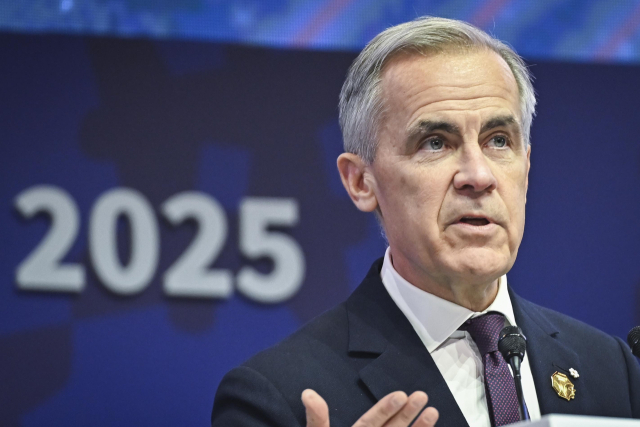
The Canadian government is planning a budget of 1.7 billion Canadian dollars ($1.2 billion) to recruit top research talent from the United States, Reuters reported Friday. As part of a national competitiveness strategy led by Prime Minister Mark Carney, the initiative includes not only research funding but also streamlined immigration procedures and comprehensive talent recruitment measures.
"Some countries are turning their backs on academic freedom, cutting research funding and weakening science," Canadian Minister of Industry Mélanie Joly said at a press briefing. "We are not doing that. We are doubling down on our support for research."
Joly explained that the recruitment effort targets researchers worldwide, with French-speaking experts as a priority. "We know there are interested researchers south of the border who have already raised their hands," she added.
Since taking office in January, President Donald Trump has pressured universities to dismantle diversity, equity and inclusion programs while cutting or threatening to cut research funding.
The exodus from U.S. academia is already becoming visible. Sara Seager, a prominent astrophysicist at the Massachusetts Institute of Technology and a Canadian native, plans to move to the University of Toronto in September.
"There are many reasons I'm returning to Canada, but one of them is the budget cuts and the tremendous uncertainty in U.S. science funding," Seager told Reuters.
MIT faces an annual budget shortfall of approximately $300 million due to federal tax increases and reduced government support. Seager said some researchers have had to scale back or abandon projects due to MIT's budget cuts, and colleagues are considering similar moves following her decision to leave.
Canadian universities are moving quickly in step with the government's direction. Major universities plan to attract more than 1,000 top international researchers over the next decade through government funding. The University of Toronto has already decided to create postdoctoral positions across fields ranging from climate science to quantum computing over the next two years, aiming to hire 100 researchers. The University of British Columbia and McMaster University are also expanding international talent recruitment.
The government is strengthening institutional support as well. Starting next year, Canada will exempt master's and doctoral students from international student enrollment caps and reduce visa processing times for doctoral applicants and their families to 14 days.
However, chronic brain drain due to relatively low compensation remains an unresolved challenge. A report published in November by the Institute for Canadian Citizenship and the Conference Board of Canada found that highly educated immigrants leave Canada within five years of arrival at nearly twice the rate of lower-skilled immigrants.
"Canada's talent recruitment efforts are timely, but many talented people still leave for the United States in pursuit of relatively higher salaries," said Drew Fagan, a visiting professor at Yale University.
In response, Joly said she hopes "this campaign will reverse past brain drain and lead to the return of Canadian researchers who went abroad."
"For all researchers around the world considering a move, we need to be the top choice," she emphasized.