
Ulsan Completes First Precision Survey of 625 Prehistoric Rock Carvings
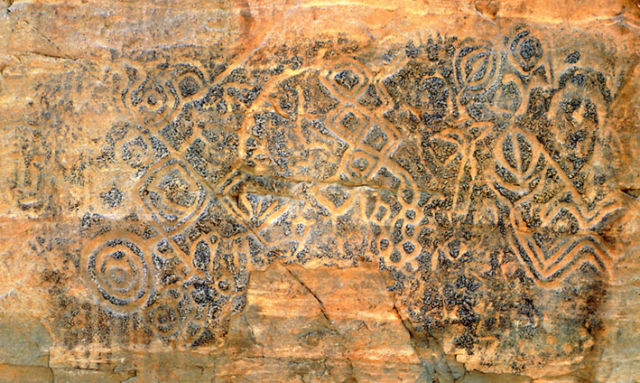
Ulsan Metropolitan City has completed its first systematic documentation of the "Petroglyphs of Bangudaecheon," a UNESCO World Heritage site, five months after its inscription in July.
The city held a final briefing Wednesday on its project to build precision photography and hyperspectral data for the Cheonjeon-ri inscriptions and petroglyphs. The project aims to secure baseline data for the 2025 national heritage repair and maintenance program funded by the central government.
Previous documentation focused on the main rock surface and key motifs. This time, all 625 motifs were captured in high resolution. Individual photo data for each motif now enables tracking of future changes.
Hyperspectral imaging was introduced for the first time. The technology analyzes spectral information from visible and infrared light, allowing numerical assessment of discoloration and biological contamination on stone heritage.
Rock carvings exposed outdoors face significant risk of biological damage. The hyperspectral survey showed the current vegetation index at the Cheonjeon-ri petroglyphs is not high, indicating biological contamination is minimal.
Ulsan will share the data with the Korea Heritage Service and the National Research Institute of Cultural Heritage. The information will serve as baseline material for establishing conservation treatment cycles and plans.
The Daegok-ri Bangudae petroglyphs will undergo the same process. The site has been selected for the 2026 national heritage repair program and will receive central government funding. This will establish a systematic documentation framework for the entire Bangudaecheon petroglyphs.
"Since the World Heritage inscription, the need for systematic management meeting international standards has grown," an Ulsan city official said. "Digital data provides a foundation for various applications including preservation, restoration, research, education, public outreach, and disaster preparedness."