
Gastric Cancer Surgery May Reduce Metabolic Disease, Cardiovascular Risk
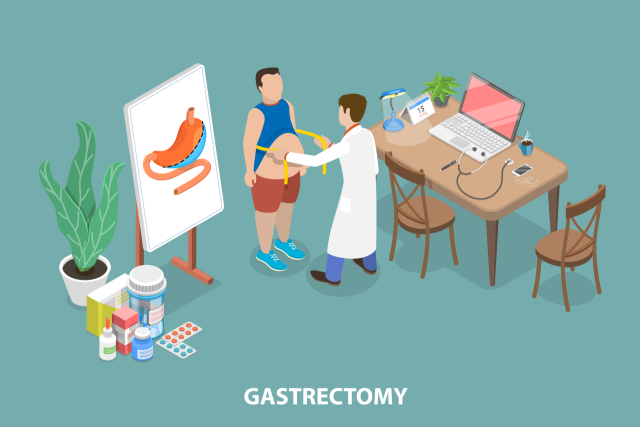
Nutritional deficiency and weight loss, typically considered major side effects of gastric cancer surgery, may actually provide health benefits for modern populations prone to metabolic diseases such as obesity and diabetes, according to new research.
A research team led by Professors Seo Yun-seok and Kang So-hyun from the Department of Surgery at Seoul National University Bundang Hospital, Professor Shin Ae-sun from the Department of Preventive Medicine at Seoul National University College of Medicine, and Professor Woo Hyung-taek from the Department of Preventive Medicine at Keimyung University School of Medicine announced on the 5th that gastrectomy significantly reduces the incidence of chronic metabolic diseases and cardiovascular diseases compared to endoscopic resection.
The findings were based on tracking approximately 74,000 early gastric cancer patients for up to 15 years using National Health Insurance big data from 2002 to 2020.
The researchers compared 49,578 patients who underwent gastrectomy for early gastric cancer removal with 24,789 patients who received endoscopic resection. The gastrectomy group showed approximately 53% lower incidence of hypertension compared to the endoscopic resection group. Incidence rates of ischemic heart disease, heart failure, cerebrovascular disease, and other major cardiovascular events were approximately 20% and 14% lower, respectively.
The gastrectomy group also showed 18% and 26% reductions in "obesity-related cancers" such as colorectal cancer, which is common in obese patients, and associated mortality compared to the endoscopic resection group. This suggests that gastric cancer surgery reduces metabolic diseases including obesity, ultimately leading to preventive effects against other obesity-related cancers. The study also confirmed approximately 25% reduction in medical costs related to hypertension and diabetes over 10 years.
Gastrectomy is a surgical procedure that removes part or all of the stomach where tumors have developed. As stomach volume decreases, food intake naturally decreases as well. Due to these characteristics, there has long been a perception that patients who undergo gastric cancer surgery cannot eat well, lose weight, and suffer from nutritional deficiency. The research team explains that in today's era of "nutritional excess," this cannot be viewed solely as a disadvantage.
This study is significant as the world's largest research to identify the metabolic benefits of gastrectomy through comparative analysis with endoscopic resection. It is expected to serve as key evidence for the "oncometabolic" paradigm, which views cancer and metabolic diseases from an integrated perspective and establishes treatment strategies accordingly.
"Many patients fear that gastric cancer surgery will prevent them from eating foods they want and lead to nutritional deficiency, greatly reducing their quality of life," Professor Seo Yun-seok said. "Gastric cancer surgery may help maintain appropriate weight and live a healthy life in the long term by significantly reducing the incidence of major cardiovascular diseases, including obesity-related secondary cancer development and mortality."
The research findings were published in a recent issue of the Journal of the American College of Surgeons, a leading international surgical academic journal.